
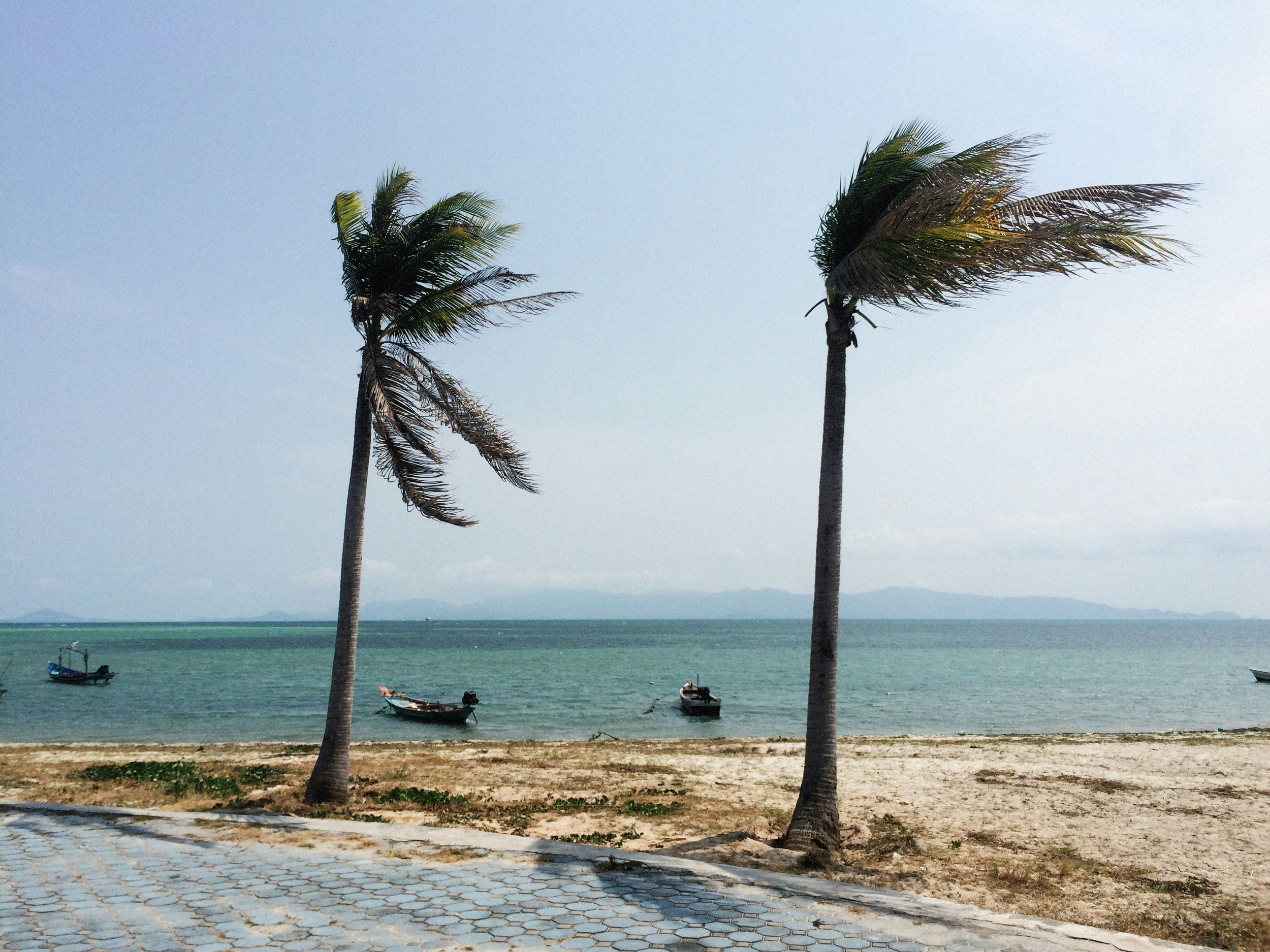
When Hurricane Isaias made landfall near Destin on October 9, 2026, it tore roofs off homes and businesses from Pensacola to Panama City Beach. For thousands of Florida homeowners, the storm is now followed by a second ordeal: getting their insurance company to pay what the policy promises. Florida's property insurance laws changed significantly in December 2022, and many deadlines are now shorter than homeowners expect. Here is what you need to know.
Step 1: Protect your home and document the damage
Before cleanup begins, photograph and video every room, the roof, the exterior and any damaged belongings. Date-stamped images taken before repairs are often the strongest evidence in a claim.
Then make reasonable temporary repairs to stop further damage, such as tarping the roof, boarding broken windows and removing standing water. Most policies require you to take these steps, and insurers may refuse to pay for damage that gets worse because nothing was done. Keep every receipt.
Step 2: Report your claim promptly
Florida law now gives homeowners 1 year from the date of loss to report a new or reopened claim, and 18 months to report a supplemental claim for additional damage. Do not wait until the deadline. Reporting early starts your insurer's legal deadlines and makes it harder to argue the damage came from something other than the storm.
Step 3: Know your insurance company's deadlines
Under section 627.70131, Florida Statutes, your insurer must:
acknowledge your claim and respond to your communications within 7 days
begin investigating within 7 days
inspect the property within 30 days of receiving your proof of loss
send you any adjuster's estimate within 7 days after it is created
pay or deny the claim within 60 days of receiving notice of it
After a declared emergency like Hurricane Isaias, the payment deadline can be extended by up to 30 days. Keep a written log of every call, inspection and letter so you can show when deadlines were missed.
Common reasons hurricane claims are denied or underpaid
Wind versus flood. Standard homeowners policies cover wind damage but usually exclude flood and storm surge, which are covered by separate flood insurance. Insurers often attribute damage to the excluded cause.
"Pre-existing" or "wear and tear" damage. Roof claims are frequently denied as old damage. Photos taken before the storm, roof inspection reports and repair invoices can rebut this.
Hurricane deductibles. Many Florida policies have a separate hurricane deductible, often 2% to 10% of the dwelling coverage, which can be far larger than the standard deductible.
Lowball estimates. An adjuster's estimate may leave out code-upgrade costs, matching materials or interior water damage. An independent estimate can show the gap.
Be careful with contractors and what you sign
After a major storm, door-to-door contractors and "storm chasers" arrive quickly. For policies issued on or after January 1, 2023, Florida no longer allows homeowners to assign their insurance benefits to a contractor. Read any contract carefully, never sign a blank or incomplete document, and confirm a contractor's license at myfloridalicense.com.
If your claim is denied, delayed or underpaid …
You have options:
Ask for the decision in writing with the specific policy language the insurer relied on.
Request appraisal if your policy allows it and the dispute is about the amount of the loss.
Use the state's mediation program. The Florida Department of Financial Services offers mediation for many residential property claims.
File suit if necessary. Before suing, Florida law requires you to give the insurer written notice of intent to litigate at least 10 business days in advance. A lawsuit for breach of the policy generally must be filed within five years of the date of loss, but missing the reporting deadlines above can end a claim much sooner.
A change in attorney's fees: for policies issued after December 16, 2022, insurers no longer have to pay the homeowner's attorney's fees when the homeowner wins. Ask any attorney how fees will work before you hire them.
How The Dempsey Law Firm can help
Attorney Eliot Dempsey represents Florida homeowners in hurricane, wind, roof, water and mold damage claims against their insurance companies. Before representing homeowners, he worked as counsel for insurance companies, so he knows how insurers evaluate and defend claims. The firm serves clients statewide, including the Florida Panhandle through its Tallahassee office and by phone and video.
If your claim after Hurricane Isaias or another storm has been denied, delayed or underpaid, call (305) 320-1141 or (850) 806-1676 for a free consultation, or learn more about our property damage practice.
Frequently asked questions
How long do I have to file a hurricane insurance claim in Florida?
For most current policies, you must report a new or reopened claim within 1 year of the date of loss, and a supplemental claim within 18 months.
How long does my insurance company have to pay a hurricane claim?
Generally 60 days after receiving notice of the claim. After a declared emergency, that can be extended by up to 30 days.
Does homeowners insurance cover storm surge or flooding?
Usually not. Standard homeowners policies exclude flood and storm surge. That damage is covered by a separate flood insurance policy, such as one through the National Flood Insurance Program.
What can I do if my hurricane claim is underpaid?
You can dispute the estimate with your own documentation, request appraisal if your policy allows it, use the Department of Financial Services mediation program, or consult an attorney about filing suit.
This post provides general information about Florida law as of October 2026 and is not legal advice. Reading it does not create an attorney-client relationship. Every claim depends on its policy and facts.